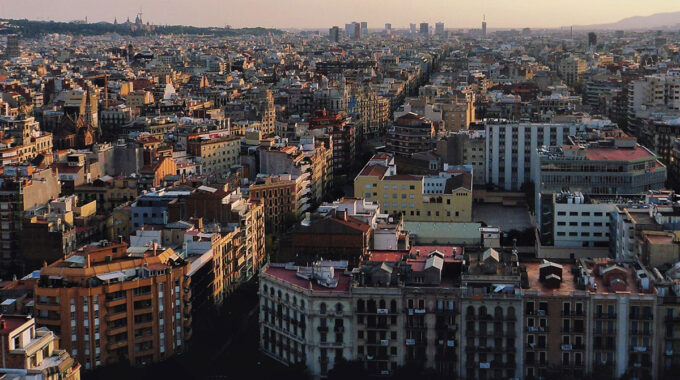
Discussions about flat prices in Barcelona often turn to an average figure per square metre…
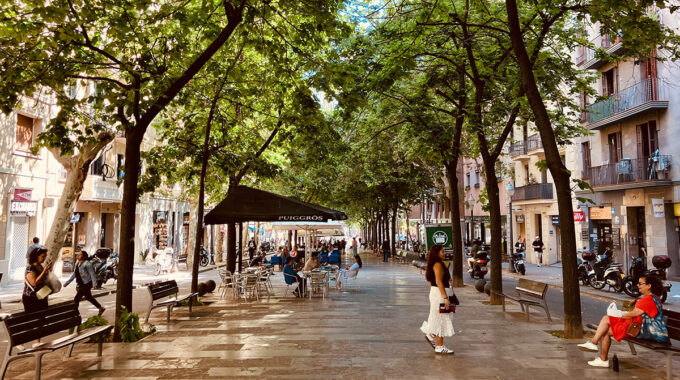
The best Barcelona neighbourhoods to buy a home in, according to your lifestyle
Barcelona is a city of neighbourhoods with very different personalities. Within just a few kilometres, you can move from a quiet residential setting to an area full of shops, restaurants and cultural activity.
That is why looking for a home in Barcelona involves more than assessing price, floor area or the number of bedrooms. Choosing the right neighbourhood matters just as much, because it will shape much of everyday life: travel, available services, the atmosphere in the street and nearby green spaces.
There is no single ideal neighbourhood for everyone. The best area depends on each buyer’s priorities and lifestyle.
Eixample: a central location, services and architecture
Eixample is one of Barcelona’s most representative areas and one of the most sought-after by people who want to live centrally.
Its urban layout makes it easy to get around on foot, by bicycle or by public transport, and it offers a wide variety of shops, restaurants, schools, medical centres and services.
Its housing stock is another distinctive feature. Many classic buildings have high ceilings, patterned cement floor tiles, balconies and other features characteristic of Barcelona architecture, alongside fully renovated homes.
The different parts of Eixample also have important nuances. Living near Sagrada Família does not offer exactly the same atmosphere as living in l’Antiga Esquerra de l’Eixample, Sant Antoni or la Dreta de l’Eixample.
It can be a good choice for those who prioritise a central location, good transport connections and almost every service close at hand.
Gràcia: neighbourhood life and a character of its own
Gràcia retains a very distinctive identity within Barcelona.
Its narrower streets, numerous squares and network of small shops create a different atmosphere from Eixample’s broad urban grid.
The area is particularly valued by people seeking neighbourhood life, local shops, food and cultural offerings, and a setting where many everyday journeys can be made on foot.
Housing is varied, from flats in older buildings to renovated homes and some distinctive houses in certain areas.
However, the atmosphere can change considerably from one street to another. Some squares and main streets are very lively, while other streets are clearly residential.
Sarrià-Sant Gervasi: peace and a residential character
For those who prioritise peace, space and a more residential setting, Sarrià-Sant Gervasi is one of Barcelona’s leading areas.
Many of its neighbourhoods have less densely built-up streets, larger homes, green spaces and a substantial choice of schools.
Sarrià also retains some of the spirit of its former independent centre, with streets, squares and shops that create something of a village feel within the city.
Other parts of the district offer residential buildings with communal facilities, parking, terraces or gardens, features that are less common in central Barcelona.
It is a particularly interesting alternative for families or anyone seeking a residential environment while remaining connected to the rest of the city.
Sant Antoni: urban living with a neighbourhood spirit
Sant Antoni has undergone considerable change in recent years and has established itself as one of Eixample’s liveliest areas.
The Mercat de Sant Antoni is a major neighbourhood landmark, surrounded by shops, cafés, restaurants and streets that combine commercial activity with residential homes.
Its location provides easy access to the centre, Paral·lel, Raval and other parts of Eixample.
It can particularly suit people seeking an urban lifestyle who value walking and want a broad choice of food and cultural venues close to home.
Les Corts: convenience and balance
Les Corts offers an appealing combination of proximity to the centre, residential peace and available services.
Some areas are characterised by quiet streets and residential buildings, while the main streets concentrate shops, restaurants and good public transport connections.
Schools, business areas and public facilities also make the district a practical location for people with very different needs.
It can suit those seeking a balance between city life and peace without needing to be in Barcelona’s busiest centre.
Poblenou: close to the sea and a different side of Barcelona
Poblenou is one of the city’s most transformed areas, combining its industrial past with new homes, offices, creative spaces and proximity to the coast.
One of its main attractions is being able to live in Barcelona with the beach relatively close by.
The Rambla del Poblenou is a focus of commercial and social life, while the surrounding streets combine traditional buildings, converted industrial spaces and newer residential developments.
It can be especially appealing to anyone seeking proximity to the sea, open spaces and an atmosphere different from Barcelona’s more traditional areas.
Horta: peace without leaving Barcelona
Parts of Horta retain an urban layout and atmosphere reminiscent of the former municipalities that eventually became part of Barcelona.
There are quiet streets, squares, small shops and residential areas that feel less densely built up than other parts of the city.
Proximity to Collserola and several green spaces is another attraction.
For those who do not need to live centrally and particularly value peace, it can be an interesting alternative within Barcelona.
Clot and Camp de l’Arpa: neighbourhood identity, services and good connections
El Clot and Camp de l’Arpa combine a strong neighbourhood identity with a well-connected location.
They have local shops, markets, schools, facilities and several public transport options that make other parts of Barcelona easy to reach.
Older buildings sit alongside newer ones, with a wide variety of housing types.
Proximity to Sagrada Família, Glòries and Sant Martí also strengthens their strategic position within the city.
What should you consider before choosing a neighbourhood?
Viewing a home matters, but so does exploring its surroundings. Before deciding, walk around the neighbourhood at different times of day and observe how it really works.
Distance to work, public transport, schools, shops, green spaces, noise and ease of parking can ultimately have more impact on everyday life than some of the home’s own features.
It is also important to remember that Barcelona can vary considerably even within a single neighbourhood. Two flats four or five streets apart can have very different surroundings, aspects and features.
Do not just look for a flat: look for the place where you want to live
Choosing a home also means choosing how you relate to the city.
Some people will prioritise walking to work. Others will seek peace, nearby schools, green spaces, cultural life or proximity to the sea.
Defining these priorities before starting your search helps you focus on the Barcelona neighbourhoods that genuinely match each buyer’s needs.
Looking for a home in Barcelona?
At On Urbe, we know Barcelona and the characteristics of its different neighbourhoods. We help you find a home that suits not only your budget and the features you need, but also the way you want to experience the city.
Tell us what you are looking for and we will help you find the area and home that suit you best.
Related Posts